

That "next year assignment" email has a way of arriving at exactly the wrong moment.
Late afternoon. Already tired. And suddenly you are being asked to picture a whole new classroom, new students, new routines, before you have had a chance to catch your breath from this year.
If your first reaction is a quiet mix of excitement, uncertainty, and maybe a little overwhelm, that is completely normal. And it usually comes from one thing: trying to hold it all at once.
The expectations. The curriculum. The timing. The pressure to get it right before you even know what "it" looks like yet.
This post is about shifting how you think about planning for a new assignment so it feels lighter, clearer, and actually doable.
The Planning Trap Most Teachers Fall Into
When a new assignment arrives, most teachers do the same thing: they open the curriculum document and start reading. Top to bottom. Expectation by expectation.
It feels responsible. Thorough. Like the right place to start. But it almost always makes things harder.
When you zoom in on the details before you have the big picture, everything feels equally urgent. You lose track of what matters most. And planning starts to feel like a task you can never quite finish.
Patti shares how treating the curriculum like a checklist to "get through" kept her constantly behind, always second-guessing, always feeling like something was missing.
The shift that changes everything
Stop treating planning like a checklist. Start seeing it as a roadmap.
You do not need to plan everything perfectly. You just need a clear direction, and suddenly the whole year starts to make sense.
Want to hear the full story? Patti walks through exactly how this shift happened in episode 139 of the podcast.
Read This
A long-range plan is not about having every lesson mapped out in September. It is about giving yourself a bird's-eye view of the year before you get buried in the day-to-day details. When you can see the whole year at once, you stop reacting and start deciding.
Your long-range plan is the map. Your timetable is the route. Start with the big picture first, then use your weekly schedule to figure out how the pieces actually fit together day to day.
5 Simple Ways to Ground Yourself When a New Assignment Lands
If that email has your mind spinning, here are five ways to move forward without the overwhelm.
-
1
Start with the big ideas, not the units. Before opening a curriculum document, ask yourself: what do you really want students to understand by the end of the year? Start there and the units will feel more connected and purposeful.
-
2
Map the year loosely. Think in months or chunks, not weeks or days. A rough overview of when you will teach what is infinitely more useful than a detailed plan that falls apart by week three.
-
3
Let go of covering everything. Depth matters more than rushing through content. When you try to cover everything, students rarely truly learn anything. A tighter plan with more intention always wins.
-
4
Reuse what already works. You do not need to reinvent your entire year. Strong strategies, read-alouds, routines, and structures you have used before are still valuable, even in a new grade or a new assignment.
-
5
Plan for flexibility. Build in buffer weeks, catch-up time, and space for real classroom life. The plan that accommodates the unexpected is the plan that actually gets used all year long.
Grab the Resource
If you are ready to put this into action, the Long-Range Plan templates from Madly Learning are designed to make this whole process much easier. They are editable and built to help you map out your full year without overcomplicating it. They give you a clear, curriculum-aligned structure while leaving plenty of room to make it completely your own.
Long-Range Plan Templates
Grades 3 to 6 · Ontario curriculum-aligned · Fully editable
Grab the free version to get started, or go straight for the fully editable set, whatever feels right for where you are right now.
Grab the Free Version Get the Editable SetWatch This
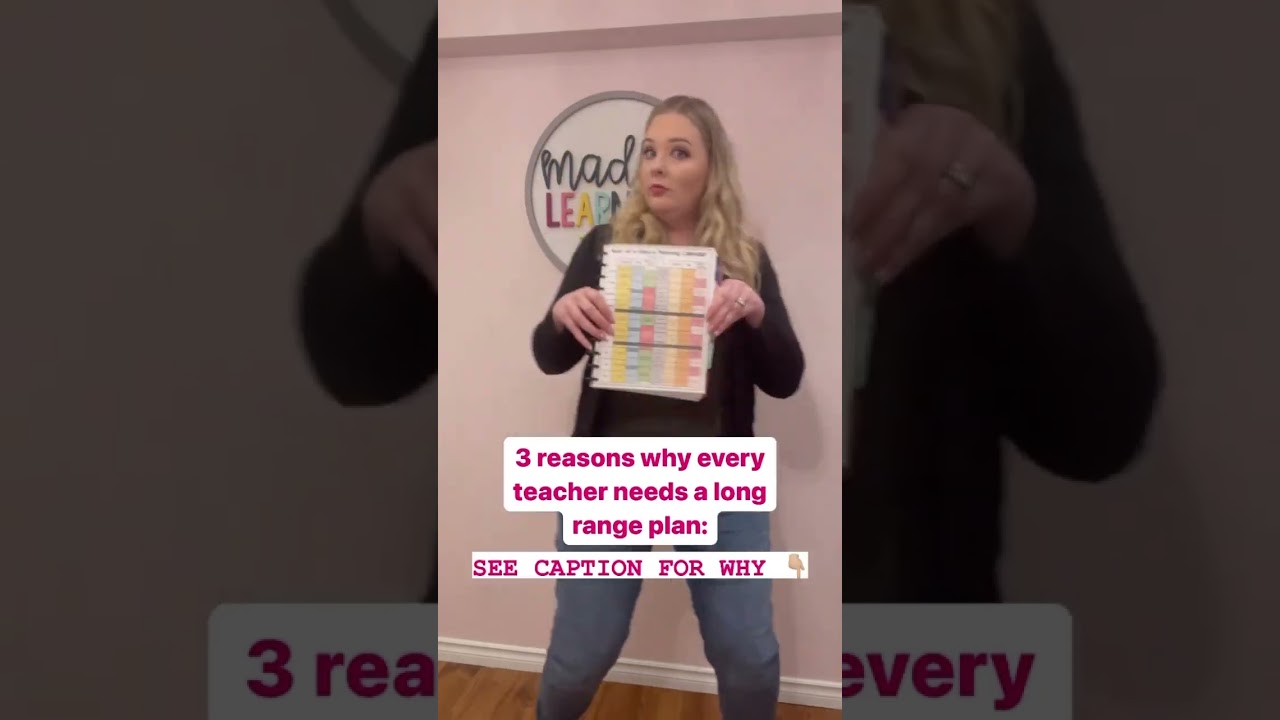
Prefer to watch? Catch the full episode on YouTube, or if you are short on time the quick tip version covers the essentials in just a few minutes.

Which One Are You Right Now?
When that new assignment email lands, we all land somewhere a little different. Which of these sounds most like you?
Wherever you are landing right now, that is okay. Tag a teacher friend who needs to see this, or share which one you are over on Instagram!
You Do Not Have to Figure It All Out at Once
A new assignment does not mean starting from scratch. It means you have an opportunity to build something intentional, with a clear plan, the right tools, and a little more breathing room than you had before.
Start with the big picture. Give yourself permission to plan loosely. And remember: the teachers who feel most prepared in September are not the ones who planned the most. They are the ones who planned the most strategically.
You have got this.
Talk soon,
Patti